Cross-Sport Insights: Adapting Hockey Goalkeeping Methods to Football's Penalty Situations
Sam Zimmermann · Sep 18, 2026
Cross-Sport Insights: Adapting Hockey Goalkeeping Methods to Football's Penalty Situations
Coaches and analysts have examined overlaps between ice hockey goalkeeping and association football penalty defence for years, with data from training programs showing measurable transfers in positioning and reaction timing. Research from Canadian sports institutes highlights how hockey goalies rely on lateral mobility and post coverage that some football keepers have incorporated into their penalty routines, particularly during the 2025-2026 season leading into September 2026 international windows.
Core Elements of Hockey Goalkeeping Technique
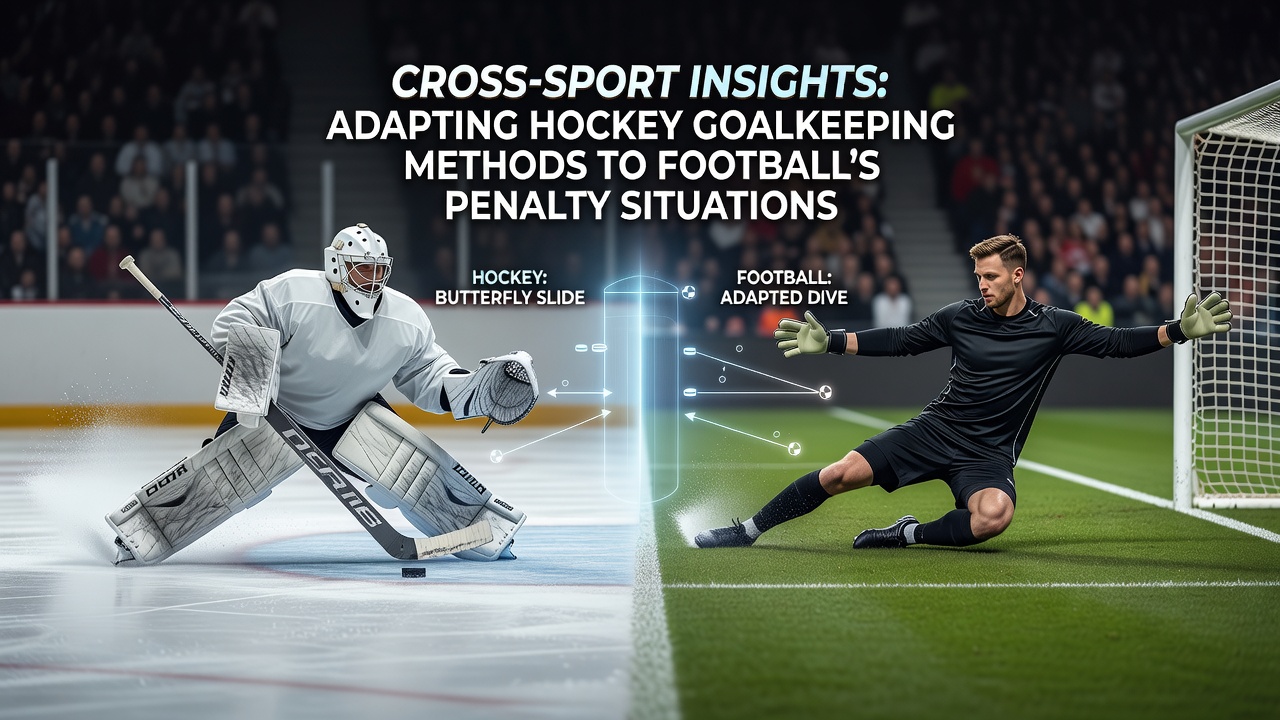
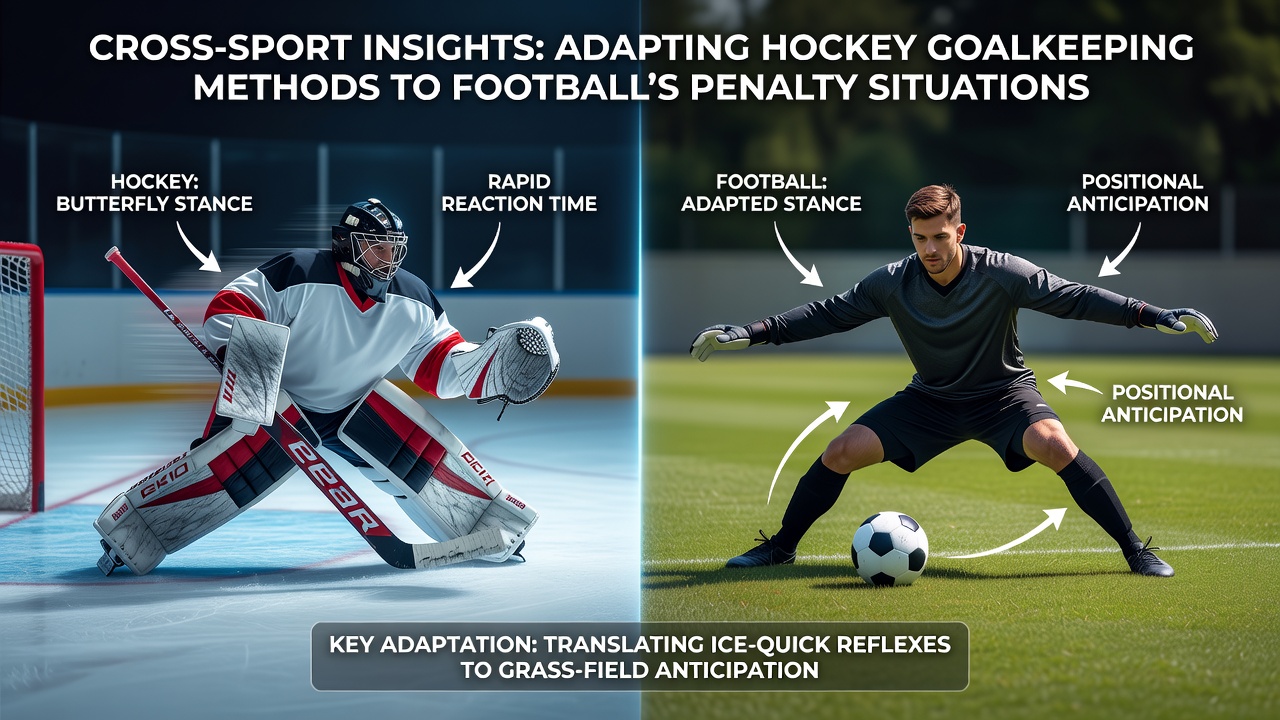
Hockey goalies adopt a butterfly stance that drops the body low while extending leg pads across the lower net, and this posture creates a wide barrier that reduces shooting angles; studies from the University of Calgary document how this method cuts high-percentage scoring zones by forcing shooters upward. Lateral shuffles and T-pushes allow quick repositioning across the crease, whereas stick positioning and glove tracking help anticipate release points. Observers note that these elements combine with visual cues from shooter shoulders and stick blades, producing reaction windows measured in fractions of a second during elite competitions.
Mapping Techniques to Football Penalty Kicks
Football penalty situations present a static 12-yard distance and a larger goal area, yet the same principles of angle narrowing and movement economy apply when keepers adjust their starting stance. Data indicates that adopting a low, balanced set position similar to the hockey butterfly can improve dive initiation speed, while controlled lateral steps mirror hockey T-pushes to cover the full width without overcommitting early. European sports science reports from institutions in Germany and the Netherlands have tracked keepers who blend these adjustments, recording reduced reaction times on low-driven shots and improved save percentages in simulated penalty sequences.
Positioning and Visual Reading Strategies
Keepers in both sports study opponent tendencies through video analysis, yet hockey methodology adds emphasis on pre-shot posture and weight transfer; football analysts have begun integrating similar breakdowns, focusing on run-up patterns and plant-foot placement. One documented case involved a Premier League side consulting with hockey specialists to refine goalkeeper cues, resulting in adjusted dive timing that aligned more closely with observed release mechanics. This approach avoids guesswork by prioritising biomechanical signals over pure anticipation.
Training Adaptations and Performance Data
Clubs have introduced cross-training drills that place football keepers on narrower surfaces to replicate hockey crease constraints, and these sessions improve explosive lateral movement while maintaining balance for diving saves. Figures from Australian Institute of Sport research reveal measurable gains in first-step quickness after eight-week programs that incorporate hockey-style edge work. Meanwhile, equipment modifications such as reinforced gloves and adjusted boot studs have appeared in some academies, drawing directly from hockey protective standards to support the lower-body drops required in adapted techniques.
Coaches track outcomes through high-speed cameras and wearable sensors, comparing baseline penalty save rates against post-adaptation figures. Results show that keepers who integrate hockey-derived visual scanning protocols often identify directional tells earlier, though success still depends on consistent repetition and match-specific pressure. International federations continue to share best-practice notes across disciplines, with sessions scheduled around September 2026 qualifiers providing additional testing grounds for these hybrid methods.
Case Examples from Professional Environments
Several European clubs have invited hockey goaltending coaches to conduct workshops, focusing on recovery footwork after initial dives and on maintaining square body position until the final moment. North American academies have likewise experimented with combined sessions, where football keepers practice against variable-angle shots that simulate hockey breakaways. These exchanges produce concrete adjustments rather than wholesale changes, allowing keepers to retain core football-specific skills while adding efficiency from the parallel sport.
Conclusion
Cross-sport transfer between hockey goalkeeping and football penalty defence rests on shared biomechanical demands and visual processing requirements, with documented training programs confirming incremental improvements in reaction speed and positioning. As September 2026 approaches and international fixtures intensify, further data collection from federations and research bodies will clarify teh long-term impact of these adaptations across both codes.